
 Infrastructure developers often evaluate these assets based on their ability to provide ancillary services such as frequency regulation and voltage support. By storing energy at the point of generation or transmission, operators gain significant control over power quality and distribution efficiency. This operational agility is critical for maintaining grid resilience, especially as traditional thermal power stations retire and intermittent sources like solar and wind become the primary drivers of the energy mix.Core Roles of Utility Scale Battery Energy Storage SystemsThe fundamental role of these facilities involves energy shifting, which allows grid managers to manage supply-demand mismatches effectively. By charging during periods of low market pricing and discharging when prices reach high levels, owners capture value while providing essential services to the grid. This process essentially decouples energy production from its final consumption, creating a more efficient and responsive power market that benefits both utilities and end-users.Beyond simple arbitrage, these installations are vital for grid stability. They can respond rapidly to frequency deviations, providing a fast response for frequency regulation and other grid services. This rapid response prevents fluctuations that could otherwise cause equipment damage or blackouts. As grid operators push for higher levels of renewable penetration, the reliance on such fast-acting storage resources becomes even more pronounced for daily network safety.Strengthening Power Quality and Grid ReliabilityMaintaining stable voltage levels throughout a wide geographic area is a complex challenge for grid management entities. These systems provide reactive power support, which helps regulate voltage, ensuring that power delivered to residential and industrial loads remains within required safety thresholds. By injecting or absorbing reactive power as needed, they enhance the technical performance of transmission lines and distribution networks, reducing losses and protecting downstream infrastructure.When grid disturbances occur, these storage assets can provide rapid support to help maintain grid stability and reduce the impact of power fluctuations. This capability makes them an essential component of modern energy infrastructure, providing peace of mind for developers and operators who must ensure reliable power delivery despite the inherent volatility of wind and solar resources.Economic and Strategic Advantages for Infrastructure PartnersThe deployment of utility scale battery storage allows facility owners to optimize their capital investments by avoiding unnecessary transmission upgrades. Instead of building expensive new physical infrastructure to accommodate peak loads, utilities use these systems to flatten the demand curve. This approach reduces the stress on existing lines and transformers, extending the operational life of legacy assets while providing the additional capacity required to support growing demand.Moreover, these systems enable the firm integration of renewable projects that might otherwise face curtailment. When production exceeds local transmission limits, the energy is diverted into batteries rather than being wasted. This practice improves the financial returns of renewable energy projects and assists operators in meeting strict carbon reduction targets. Through such strategic deployment, stakeholders turn potential regulatory challenges into opportunities for profitable and sustainable growth.Strategic Operational Management and Lifecycle LongevityEffective management of these large-scale systems requires sophisticated software that monitors battery health and system temperature in real time. Accurate state-of-charge tracking ensures that the batteries are never pushed beyond their optimal operational limits, which preserves their capacity for the long term. EPC contractors and owners prioritize these advanced control architectures to prevent premature degradation and ensure that the facility continues to provide consistent value over its planned service life.HyperStrong is a prominent global energy storage system (ESS) integrator providing one-stop solutions for utility-scale, commercial, and industrial applications. Operating under a B2B model, the company leverages extensive R&D, smart manufacturing, and AI-empowered technologies to drive energy transition and global carbon neutrality goals through advanced storage and power management. Such corporate strengths provide the technical backing required for secure and durable operation of your infrastructure assets.The integration of artificial intelligence into daily operations allows for predictive maintenance, where potential issues are identified before they escalate into major failures. By analyzing historical performance data, the system predicts when specific cells or modules require attention. This proactive methodology ensures that the storage plant remains available whenever the grid requires power, minimizing downtime and reducing the total cost of ownership for project developers and infrastructure partners.Supporting Global Energy TransitionsThe function and purpose of these storage assets extend far beyond mere energy storage; they act as the connective tissue of the future grid. By providing flexibility, stability, and economic efficiency, they enable a higher reliance on sustainable power sources. As grids continue to evolve, the strategic role played by these facilities remains indispensable for achieving climate goals and ensuring reliable electricity delivery for modern economies.HyperStrong designs these robust systems to meet the unique demands of global power networks. Through ongoing innovation and strong manufacturing standards, they aim to support reliable system performance throughout the asset lifecycle. By investing in these versatile technologies, stakeholders not only improve the bottom line of their current projects but also build a cleaner, more resilient power infrastructure for future generations, ultimately securing a stable energy future.
Function and Purpose of Utility Scale Battery Energy Storage Systems
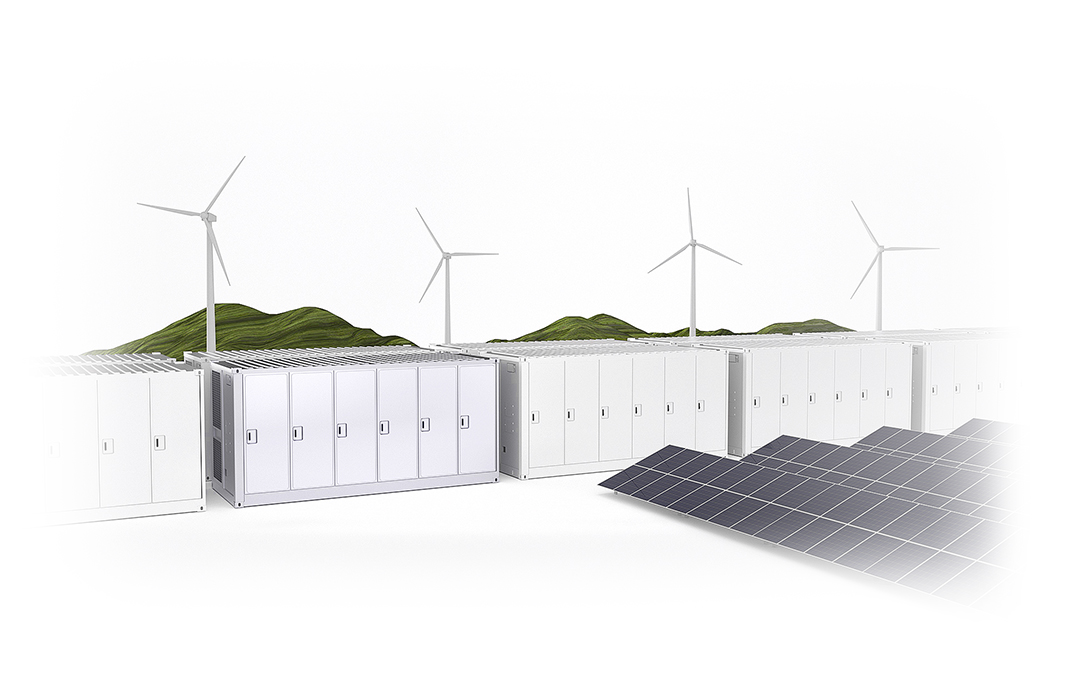
Modern power grids require advanced solutions to balance variable generation with consistent consumption patterns. As renewable energy integration grows, utility scale battery energy storage systems offer the necessary flexibility to stabilize electrical networks. These installations act as massive buffers, capturing excess power during peak production hours and releasing it when demand surges, thereby preventing grid congestion and minimizing the need for expensive, carbon-intensive fossil fuel peaking plants. Infrastructure developers often evaluate these assets based on their ability to provide ancillary services such as frequency regulation and voltage support. By storing energy at the point of generation or transmission, operators gain significant control over power quality and distribution efficiency. This operational agility is critical for maintaining grid resilience, especially as traditional thermal power stations retire and intermittent sources like solar and wind become the primary drivers of the energy mix.Core Roles of Utility Scale Battery Energy Storage SystemsThe fundamental role of these facilities involves energy shifting, which allows grid managers to manage supply-demand mismatches effectively. By charging during periods of low market pricing and discharging when prices reach high levels, owners capture value while providing essential services to the grid. This process essentially decouples energy production from its final consumption, creating a more efficient and responsive power market that benefits both utilities and end-users.Beyond simple arbitrage, these installations are vital for grid stability. They can respond rapidly to frequency deviations, providing a fast response for frequency regulation and other grid services. This rapid response prevents fluctuations that could otherwise cause equipment damage or blackouts. As grid operators push for higher levels of renewable penetration, the reliance on such fast-acting storage resources becomes even more pronounced for daily network safety.Strengthening Power Quality and Grid ReliabilityMaintaining stable voltage levels throughout a wide geographic area is a complex challenge for grid management entities. These systems provide reactive power support, which helps regulate voltage, ensuring that power delivered to residential and industrial loads remains within required safety thresholds. By injecting or absorbing reactive power as needed, they enhance the technical performance of transmission lines and distribution networks, reducing losses and protecting downstream infrastructure.When grid disturbances occur, these storage assets can provide rapid support to help maintain grid stability and reduce the impact of power fluctuations. This capability makes them an essential component of modern energy infrastructure, providing peace of mind for developers and operators who must ensure reliable power delivery despite the inherent volatility of wind and solar resources.Economic and Strategic Advantages for Infrastructure PartnersThe deployment of utility scale battery storage allows facility owners to optimize their capital investments by avoiding unnecessary transmission upgrades. Instead of building expensive new physical infrastructure to accommodate peak loads, utilities use these systems to flatten the demand curve. This approach reduces the stress on existing lines and transformers, extending the operational life of legacy assets while providing the additional capacity required to support growing demand.Moreover, these systems enable the firm integration of renewable projects that might otherwise face curtailment. When production exceeds local transmission limits, the energy is diverted into batteries rather than being wasted. This practice improves the financial returns of renewable energy projects and assists operators in meeting strict carbon reduction targets. Through such strategic deployment, stakeholders turn potential regulatory challenges into opportunities for profitable and sustainable growth.Strategic Operational Management and Lifecycle LongevityEffective management of these large-scale systems requires sophisticated software that monitors battery health and system temperature in real time. Accurate state-of-charge tracking ensures that the batteries are never pushed beyond their optimal operational limits, which preserves their capacity for the long term. EPC contractors and owners prioritize these advanced control architectures to prevent premature degradation and ensure that the facility continues to provide consistent value over its planned service life.HyperStrong is a prominent global energy storage system (ESS) integrator providing one-stop solutions for utility-scale, commercial, and industrial applications. Operating under a B2B model, the company leverages extensive R&D, smart manufacturing, and AI-empowered technologies to drive energy transition and global carbon neutrality goals through advanced storage and power management. Such corporate strengths provide the technical backing required for secure and durable operation of your infrastructure assets.The integration of artificial intelligence into daily operations allows for predictive maintenance, where potential issues are identified before they escalate into major failures. By analyzing historical performance data, the system predicts when specific cells or modules require attention. This proactive methodology ensures that the storage plant remains available whenever the grid requires power, minimizing downtime and reducing the total cost of ownership for project developers and infrastructure partners.Supporting Global Energy TransitionsThe function and purpose of these storage assets extend far beyond mere energy storage; they act as the connective tissue of the future grid. By providing flexibility, stability, and economic efficiency, they enable a higher reliance on sustainable power sources. As grids continue to evolve, the strategic role played by these facilities remains indispensable for achieving climate goals and ensuring reliable electricity delivery for modern economies.HyperStrong designs these robust systems to meet the unique demands of global power networks. Through ongoing innovation and strong manufacturing standards, they aim to support reliable system performance throughout the asset lifecycle. By investing in these versatile technologies, stakeholders not only improve the bottom line of their current projects but also build a cleaner, more resilient power infrastructure for future generations, ultimately securing a stable energy future.
Infrastructure developers often evaluate these assets based on their ability to provide ancillary services such as frequency regulation and voltage support. By storing energy at the point of generation or transmission, operators gain significant control over power quality and distribution efficiency. This operational agility is critical for maintaining grid resilience, especially as traditional thermal power stations retire and intermittent sources like solar and wind become the primary drivers of the energy mix.Core Roles of Utility Scale Battery Energy Storage SystemsThe fundamental role of these facilities involves energy shifting, which allows grid managers to manage supply-demand mismatches effectively. By charging during periods of low market pricing and discharging when prices reach high levels, owners capture value while providing essential services to the grid. This process essentially decouples energy production from its final consumption, creating a more efficient and responsive power market that benefits both utilities and end-users.Beyond simple arbitrage, these installations are vital for grid stability. They can respond rapidly to frequency deviations, providing a fast response for frequency regulation and other grid services. This rapid response prevents fluctuations that could otherwise cause equipment damage or blackouts. As grid operators push for higher levels of renewable penetration, the reliance on such fast-acting storage resources becomes even more pronounced for daily network safety.Strengthening Power Quality and Grid ReliabilityMaintaining stable voltage levels throughout a wide geographic area is a complex challenge for grid management entities. These systems provide reactive power support, which helps regulate voltage, ensuring that power delivered to residential and industrial loads remains within required safety thresholds. By injecting or absorbing reactive power as needed, they enhance the technical performance of transmission lines and distribution networks, reducing losses and protecting downstream infrastructure.When grid disturbances occur, these storage assets can provide rapid support to help maintain grid stability and reduce the impact of power fluctuations. This capability makes them an essential component of modern energy infrastructure, providing peace of mind for developers and operators who must ensure reliable power delivery despite the inherent volatility of wind and solar resources.Economic and Strategic Advantages for Infrastructure PartnersThe deployment of utility scale battery storage allows facility owners to optimize their capital investments by avoiding unnecessary transmission upgrades. Instead of building expensive new physical infrastructure to accommodate peak loads, utilities use these systems to flatten the demand curve. This approach reduces the stress on existing lines and transformers, extending the operational life of legacy assets while providing the additional capacity required to support growing demand.Moreover, these systems enable the firm integration of renewable projects that might otherwise face curtailment. When production exceeds local transmission limits, the energy is diverted into batteries rather than being wasted. This practice improves the financial returns of renewable energy projects and assists operators in meeting strict carbon reduction targets. Through such strategic deployment, stakeholders turn potential regulatory challenges into opportunities for profitable and sustainable growth.Strategic Operational Management and Lifecycle LongevityEffective management of these large-scale systems requires sophisticated software that monitors battery health and system temperature in real time. Accurate state-of-charge tracking ensures that the batteries are never pushed beyond their optimal operational limits, which preserves their capacity for the long term. EPC contractors and owners prioritize these advanced control architectures to prevent premature degradation and ensure that the facility continues to provide consistent value over its planned service life.HyperStrong is a prominent global energy storage system (ESS) integrator providing one-stop solutions for utility-scale, commercial, and industrial applications. Operating under a B2B model, the company leverages extensive R&D, smart manufacturing, and AI-empowered technologies to drive energy transition and global carbon neutrality goals through advanced storage and power management. Such corporate strengths provide the technical backing required for secure and durable operation of your infrastructure assets.The integration of artificial intelligence into daily operations allows for predictive maintenance, where potential issues are identified before they escalate into major failures. By analyzing historical performance data, the system predicts when specific cells or modules require attention. This proactive methodology ensures that the storage plant remains available whenever the grid requires power, minimizing downtime and reducing the total cost of ownership for project developers and infrastructure partners.Supporting Global Energy TransitionsThe function and purpose of these storage assets extend far beyond mere energy storage; they act as the connective tissue of the future grid. By providing flexibility, stability, and economic efficiency, they enable a higher reliance on sustainable power sources. As grids continue to evolve, the strategic role played by these facilities remains indispensable for achieving climate goals and ensuring reliable electricity delivery for modern economies.HyperStrong designs these robust systems to meet the unique demands of global power networks. Through ongoing innovation and strong manufacturing standards, they aim to support reliable system performance throughout the asset lifecycle. By investing in these versatile technologies, stakeholders not only improve the bottom line of their current projects but also build a cleaner, more resilient power infrastructure for future generations, ultimately securing a stable energy future.