
Facility managers often weigh the advantages of different power sources when installing new feed processing lines. The choice between electric and diesel energy impacts long-term expenditures and operational flexibility. FAMSUN provides the necessary data to help operators assess which power configuration aligns with their specific farm requirements.
Operating Cost and Grid Access
Electricity typically offers a lower cost per unit of energy compared to diesel fuel, especially for operations connected to a stable power grid. When a facility has reliable grid access, they find that an electric hammer grinder machine functions with consistent performance. Conversely, diesel engines prove more viable for remote locations where power infrastructure remains underdeveloped. By evaluating their local utility rates against the cost of diesel, operators determine the most economical path for their grinding needs.
Portability and Fuel Availability
Diesel models provide a distinct advantage in terms of mobility. Because these units generate their own power, they allow for movement between different field locations without needing electrical hookups. However, this independence requires a constant supply of fuel and frequent engine service. In contrast, an electric milling setup remains stationary, requiring a fixed installation point. FAMSUN recognizes that the decision often rests on how frequently the machinery needs to relocate to support various feeding areas.
Suitability by Farm Location
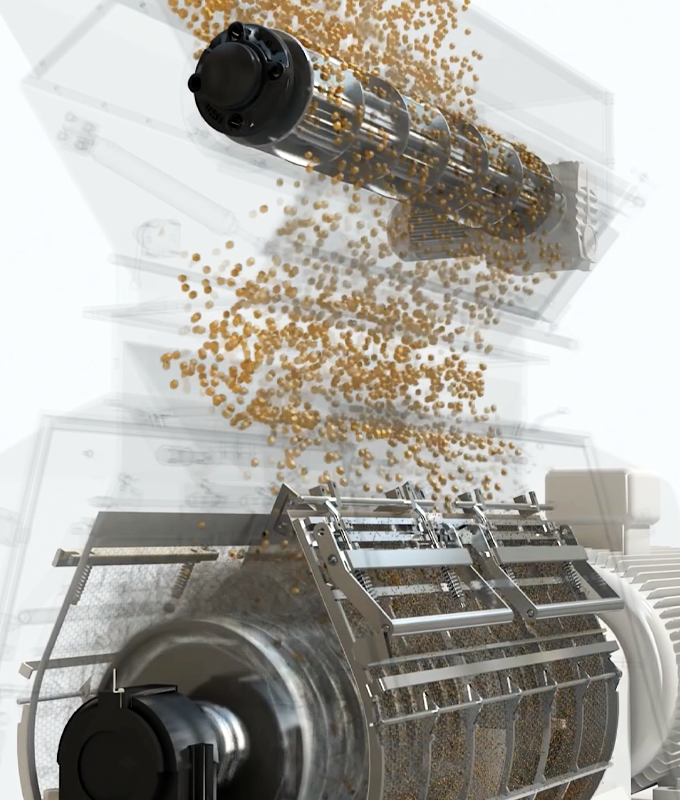
The environment plays a significant role in equipment performance. A dusty or humid climate can influence the maintenance schedule of a diesel engine, as air filtration and cooling become more critical. Electric motors generally demand less complex upkeep but require protection from extreme weather conditions if housed outdoors. A thorough assessment of the hammer grinder machine installation site—including proximity to electrical substations and fuel storage logistics—guides the decision process. By aligning the milling system with the physical constraints of the farm, they ensure a smooth production flow. During the grinding process, the energy source must reliably meet the torque demands of the equipment to maintain consistent particle size.
Comparing power sources requires an objective review of local utility access and operational mobility. Whether a farm opts for the portability of diesel or the efficiency of electric power, the focus remains on consistent output in the milling grinding process. A careful study of these variables helps ensure that the processing infrastructure supports the long-term goals of the facility.