
In industrial fastening systems, preventing bolt loosening is only one part of the challenge. Engineers must also understand how a threadlocker behaves when a fastener needs to be removed, serviced, or exposed to repeated mechanical stress.
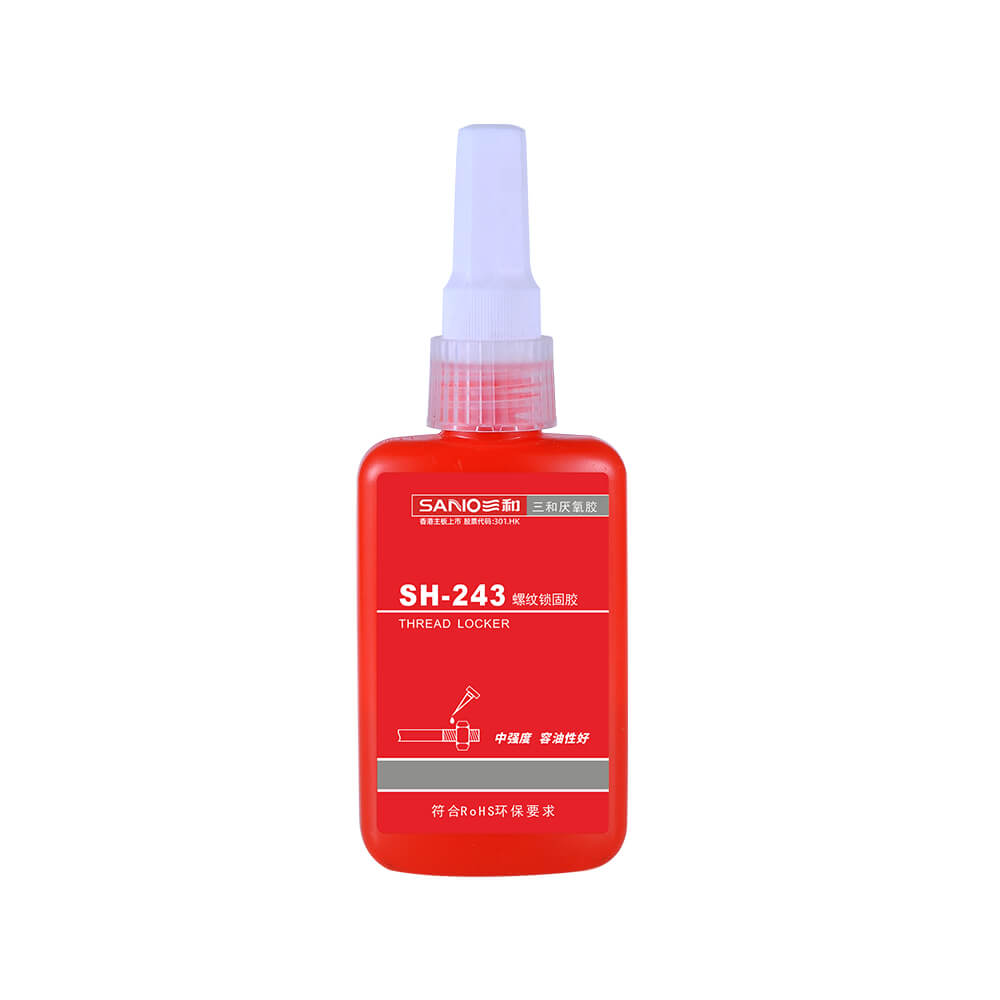
This is why torque testing has become a critical evaluation method for industrial threadlocker adhesives. Breaktorque and prevailing torque measurements provide practical information about how much resistance a cured adhesive creates during different stages of fastener movement.
Assembly-focused development is central to SANVO’s adhesive solutions, with torque testing standards serving as a critical link between formulation design and field performance. For a threadlocker adhesive manufacturer, understanding these standards is essential because they connect laboratory measurements with actual fastening behavior in industrial applications.
Why Torque Testing Provides More Useful Data Than Bond Strength Alone
Many buyers initially focus on adhesive strength when selecting threadlockers. However, a strong chemical bond does not automatically mean the product is suitable for every fastening application.
Threaded connections operate under complex conditions. A fastener may experience vibration, thermal expansion, repeated loading, or scheduled maintenance. The adhesive must provide enough resistance to prevent unwanted movement while still allowing controlled removal when required.
Torque testing evaluates this balance more directly than general strength measurements. Instead of only measuring how strongly two materials are bonded, it examines the rotational force required to move the actual fastener assembly.
For industrial users, this information helps affect whether a threadlocker matches the operational demands of the equipment.
Breaktorque Testing and the Initial Release of a Threadlocked Fastener
Breaktorque refers to the torque required to initiate movement in a fastener secured with a cured threadlocker.
During testing, the measured value shows how much torque is required to overcome the initial locking effect between the bolt and nut or threaded component.
This measurement is particularly important for applications where preventing unexpected loosening is the primary concern. Machinery exposed to vibration or continuous operation often requires sufficient breaktorque to maintain connection stability.
However, higher breaktorque does not always mean better performance. If the value becomes too high, maintenance teams may struggle to remove fasteners without applying excessive force or specialized tools.
The ideal breaktorque level depends on the balance between operational security and future service requirements.
Prevailing Torque Testing and Continued Resistance After Movement Begins
While breaktorque focuses on the first movement, prevailing torque evaluates what happens afterward.
Once the initial adhesive bond is overcome, the fastener continues rotating through the threaded connection. The measured resistance indicates how much rotational resistance remains after the initial bond has been overcome.
This characteristic is especially relevant in high-vibration environments. A fastener may begin to move slightly during operation without immediately becoming completely loose.
A threadlocker with stable prevailing torque can continue resisting movement after the initial bond has been disturbed.
For engineers, this measurement provides a better understanding of long-term fastening behavior rather than only initial locking capability.
How Testing Standards Make Torque Data Reliable
Torque values are meaningful only when testing procedures are controlled. Without standardized conditions, comparing results between different products can lead to inaccurate conclusions.
Industrial threadlocker testing typically considers variables such as:
Fastener size and thread specification
Metal material and surface condition
Adhesive application quantity
Curing time
Testing environment
These factors can significantly influence measured torque values.
For example, a threadlocker tested on clean steel fasteners may produce different results compared with the same product applied to coated or contaminated surfaces.
Testing standards reduce these differences by creating consistent evaluation conditions. This allows manufacturers and engineers to compare performance based on reliable data rather than inconsistent testing methods.
Interpreting Torque Performance for Different Industrial Applications
Torque requirements vary depending on how a fastened component will be used.
Automotive assembly often requires a threadlocker that provides reliable vibration resistance while supporting efficient production and future maintenance needs, balancing security with serviceability.
Heavy industrial machinery typically demands stronger resistance against movement, as equipment often operates under continuous mechanical stress that can compromise standard fastening.
Precision equipment presents a different challenge—excessive locking force may create problems during scheduled repairs or component replacement. These application differences can influence the torque characteristics required from a threadlocker formulation.
A professional threadlocker adhesive manufacturer evaluates torque performance together with application conditions instead of recommending products based only on the highest available values.
The goal is to achieve the correct performance balance for each fastening system.
Using Torque Testing to Improve Threadlocker Formulation
Torque testing is not only a method for evaluating finished products. It also helps manufacturers improve adhesive formulations.
When torque results do not meet application requirements, formulation engineers can analyze how different components influence performance.
Changes in resin chemistry, curing behavior, viscosity, or additive systems may affect how the adhesive bonds with threaded surfaces.
By studying breaktorque and prevailing torque together, manufacturers can adjust products to achieve specific performance targets, such as easier removal, stronger vibration resistance, or improved consistency across different fastener types.
This development process helps create threadlockers that are designed for actual industrial challenges.
Selecting Threadlocker Products Through Engineering Data
For industrial buyers, torque testing standards provide a clearer method for evaluating threadlocker options.
Instead of relying only on product labels such as “high strength” or “medium strength,” engineers can review performance data that reflects real mechanical behavior.
Important questions include:
Does the breaktorque level match the required holding force?
Does prevailing torque provide sufficient resistance after movement begins?
Are the testing conditions similar to the intended application?
Does the product support future maintenance requirements?
Using test data in product selection reduces the risk of choosing an adhesive that performs well in one area but fails to meet overall system requirements.
Conclusion
Breaktorque and prevailing torque testing standards provide a practical way to evaluate industrial threadlocker adhesives beyond simple strength measurements. Breaktorque shows the initial resistance against fastener movement, while prevailing torque reveals continued protection after loosening begins.
Why is matching torque performance to application needs so critical for companies selecting fastening solutions? Working with an experienced threadlocker adhesive manufacturer helps achieve this alignment, and SANVO continues to develop adhesive technologies focused on reliable fastening performance for industrial environments.
Engineers who understand torque testing methods can make better decisions and build fastening systems that deliver stability, serviceability, and long-term reliability. This understanding can help engineers evaluate whether a fastening solution is appropriate for its intended service conditions.